

Out there, beyond your front door, you’ll find outdoor ads popping up where people walk or ride. These spots grab attention when folks aren’t chilling at home. Think big signs by roadsides, posters near bus stops, wraps on trains or buses – stuff like that. Even benches or phone booths can carry messages. Screens in busy areas flash changing images instead of staying still. Some setups now let users tap, swipe, or engage right then and there. It’s not just paper glued to walls anymore.
Since folks are out and about – heading to work, running errands, or just walking around – OOH grabs focus better than most channels do. While they’re on the move, eyes naturally land on these visuals instead of scrolling past them like online ads.

WhatsApp Now : 972-932-1918
Types of Outdoor Advertising
Some popular OOH ad styles work really well. A bunch show up in that piece you mentioned.
Static Billboards / Hoardings
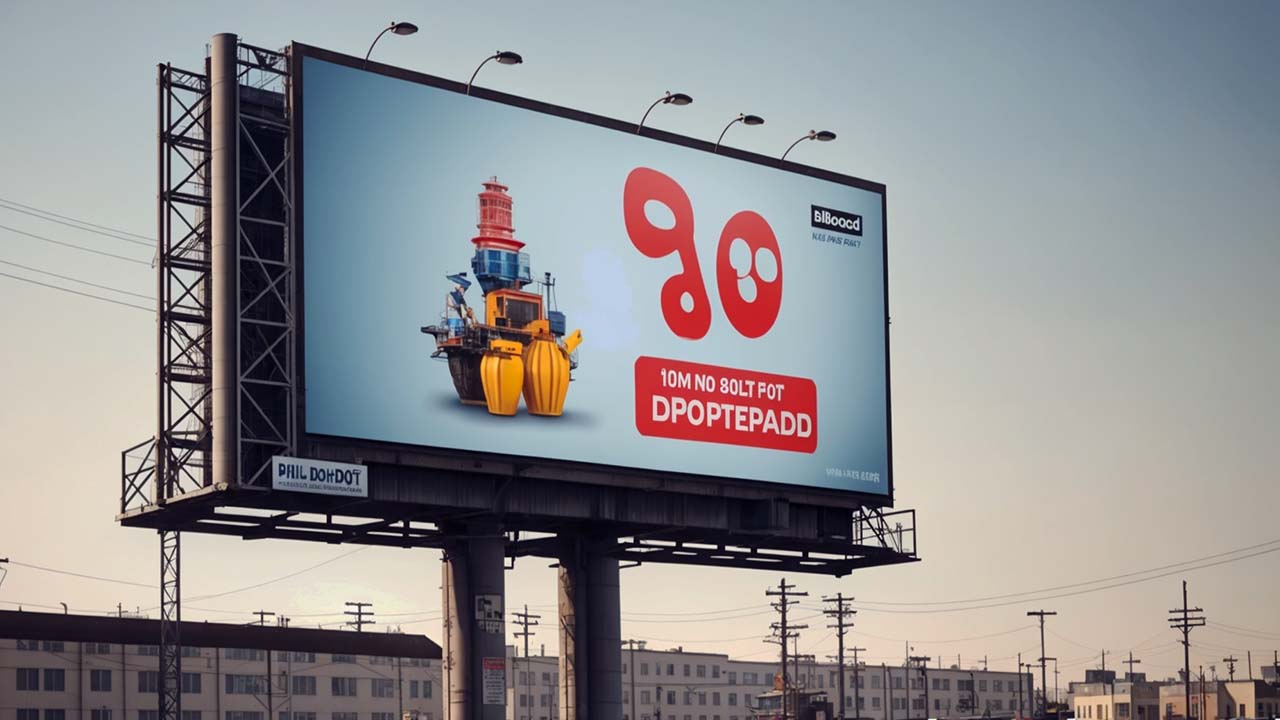
The big posters you see on highways, or near crowded streets, sometimes even on rooftops. They’re hard to miss – great for spots where lots of people pass by now and then.
Digital Billboards (DOOH – Digital Out-of-Home)
These signs use digital screens or LEDs that can show videos, moving images, or changing visuals. Thanks to bright lights and movement, they grab attention fast – especially when designed with bold ideas.
Mobile Billboards
Wrapping ads on trucks, buses or vans turns them into mobile billboards. These move across town, passing through different neighborhoods each day. Instead of staying put, they go where people live, work and shop. As a result, more eyes see the message throughout the week. Whether it’s rush hour or midday runs, exposure adds up naturally.
Banners & Outdoor Signs
Mini ads – like posters on lampposts or underpasses; signs near store entrances; shop front tags; glass case setups; short-term festoon flags. Ideal if you’re pushing a neighborhood sale, gathering folks nearby, or want more people walking into your place.
Transit Advertising
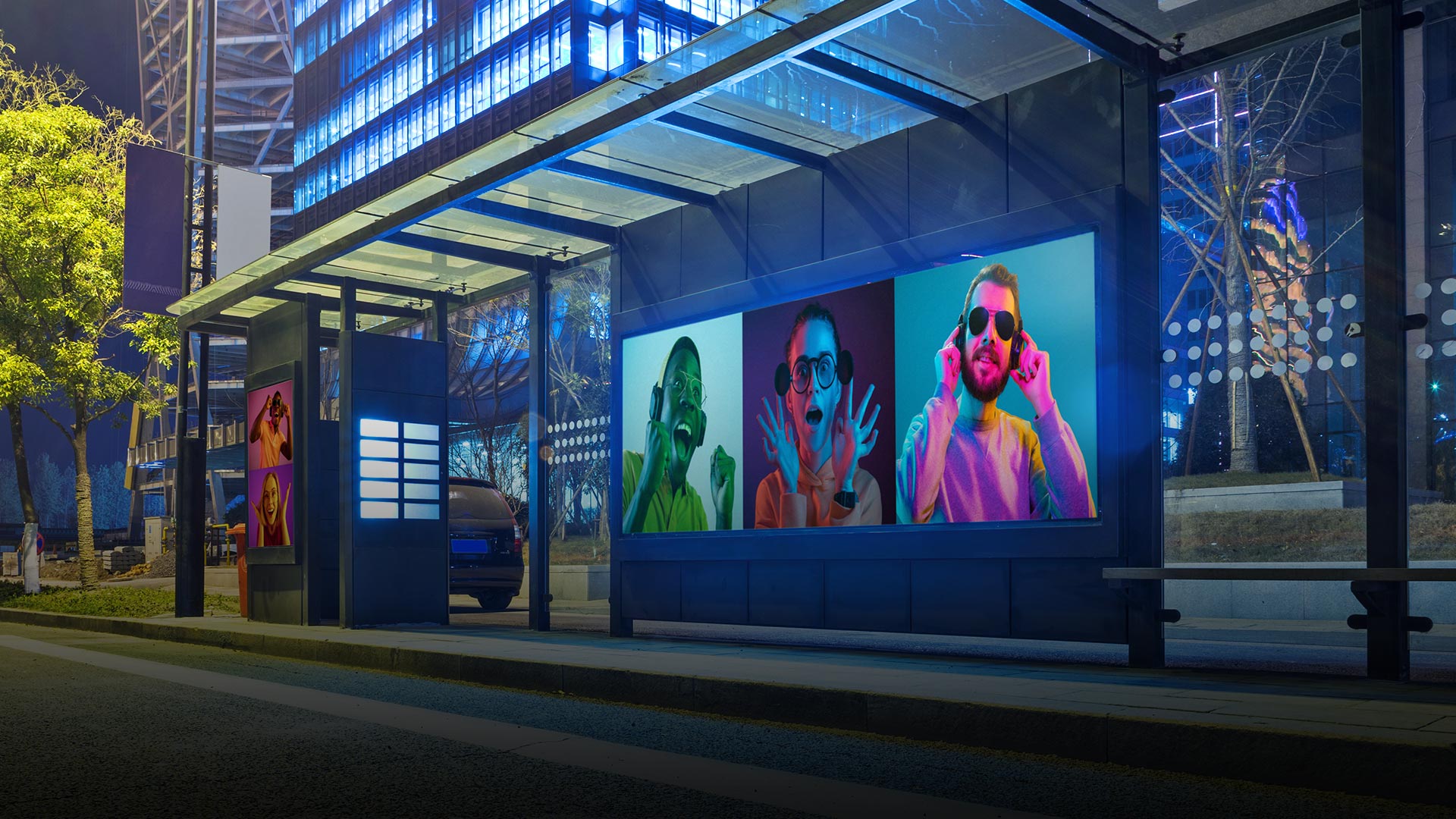
Bus stops, train platforms, or cabs – ads show up there. While riding, folks often glance around. That’s when they notice posters or screens. Moving vehicles carry messages across town. Stations pack in crowds every day. Airports bring in travelers from everywhere. Downtime during trips means more eyes on displays. Urban routes mean constant exposure. Commuters might ignore them, but some stick. Visibility builds familiarity over time.
Street Furniture Advertising
Smaller ads placed where people can easily see them in cities – like on bus stops, seats, newsstands, old phone boxes, power spots. They grab the notice of folks walking by or waiting for rides up close.
Retail / In-Store Outdoor Advertising
Fliers set up close to shop entrances – like glass case art, checkout counter signs, ads in shopping centers, banners inside stores – work best when folks are ready to spend cash.
Experience / Guerrilla / Ambient Advertising
Creative, out-of-the-box outdoor ads – think live setups, city happenings, surprise spots, bold moves, or clever surroundings – that aim to stick in your mind while linking tightly to a brand.
Hybrid Outdoor + Digital / Interactive Advertising
Putting real-world ads outside together with digital features – like big electronic displays that change, codes you scan with your phone, messages tied to rain or rush hour, stuff that updates live – all linking street-level visibility to web-based interaction.
WhatsApp Now : 972-932-1918
Why Outdoor Advertising Works – Advantages & Strengths
Outdoors ads still pack a punch, despite today’s tech boom. Key upsides include – reaching folks on the move, grabbing attention without screens, also working 24/7 with little upkeep; visibility in busy zones stands out, plus they suit local campaigns well, while often costing less than online spots
High Reach & Visibility
OOH ads pop up where folks usually walk or drive – like roads, bus lines, or shopping spots – so lots get spotted each day. Whether you’re commuting, buying stuff, or on a trip, chances are you’ve seen them more than once.
A good spot for a sign in a big city might get seen by 20,000 people daily – especially if it’s near transit. Traffic flow boosts visibility, so placement really matters when grabbing attention on the move.
Unskippable, Always-On Exposure
Out on the streets, billboards don’t disappear when you change channels – instead, they stick around no matter what. While pop-ups vanish with a click, these signs keep showing up, rain or shine.
This ongoing visibility boosts recognition slowly – also strengthening memory through repetition.
Effectiveness of Digital + Traditional Hybrid (DOOH)
Digital OOH brings clear benefits – like live-updated content or animations. It swaps messages fast, maybe by hour, rain, or big games. Some screens use touch or QR links instead of static images. These tweaks keep viewers paying attention longer.
On top of that, digital out-of-home ads hit the right people more easily than fixed posters – pick exact spots, rely on info to match audience traits, or tweak things fast while it’s running
WhatsApp Now : 972-932-1918
Cost-Effectiveness & Return on Investment (ROI)
Unlike TV or newspapers, outdoor ads usually cost less per view over time – particularly in busy spots where lots of people pass by.
Folks start recognizing a brand more when they see it outside again and again, so over time that boosts memory of the name – great for companies wanting to stay top-of-mind.
- Complementary to Digital Marketing – Multi-Touch Strategy
- Outdoor ads boost digital campaigns when used together. Say, a billboard with a scannable code might lead folks on phones straight to a site. That way, people see it outside then interact later from their devices.
- This connection between real-world and digital spots makes the experience smooth – super handy since folks keep switching from stores to screens.
- Credibility & Brand Trust
- Spotting a company’s name or pitch out in the world, not only on screens, so makes it feel more real. Being visible outdoors shows staying power, sort of like saying you’re here to stay, which feels stronger than fleeting digital pop-ups.
- Environmental / Efficiency Advantage (for Traditional OOH)
Oddly enough – unlike online ads – regular outdoor posters, if set up right, sometimes use less carbon for each view. Since one big sign can catch the eyes of lots of people together, it usually creates fewer emissions per person than digital ones sent out separately.
WhatsApp Now : 972-932-1918
- Market Potential & Why Brands Choose Outdoor Advertising
OOH sticks around globally since it hits lots of folks from different backgrounds, particularly in cities where everyone’s always on the move.
- Businesses wanting more recognition, wider exposure, or stronger messages often turn to outdoor ads – they’re seen a lot, shown repeatedly, yet don’t drain budgets like certain channels.
- Folks are using screens more every day, so pairing outdoor ads – like digital billboards – with internet efforts just makes sense; it grabs attention whether people are out walking or scrolling at home, linking real-world visibility to online actions.
- Local shops, service providers, or area-specific promotions can use sidewalk ads – like benches, signs, or window displays – to connect with people walking by or driving close. These options usually cost less than big radio or TV pushes.
- With rising eco-awareness, classic outdoor ads stay strong – hitting wide audiences from one spot – which makes them feel more earth-friendly than digital ads that charge per view.
- What to Consider When Choosing Outdoor Advertising – Why Some Choose “Us” (or an Agency)
- When setting up outdoor ads, lots of things come into play – so a lot of companies team up with experts or ad firms, just like the piece you mentioned points out. Main things to think about:
- Find your crowd first, then pick spots that match where they go – busy roads grab attention from lots of people. Use bus stops or train hubs when targeting folks on their daily route. Place ads close to shops if you’re trying to pull in nearby walkers.
- Outdoor signs need to make sense fast – people might be passing by or distracted. So go with big, clean images that grab eyes without confusion. Use short words instead of long ones so everyone gets it quick. A strong layout helps folks understand even from far away. Keep things neat but lively to hold interest just enough.
- Creative & Format Suitability: Pick a format that fits your goal – use static billboards if you want wide reach; go for DOOH when messages need to change often; try street-level posters for neighborhood focus; opt for mobile units to move through different areas.
- Budget and reach? Prices for outdoor ads change based on type, spot, scale, or how long they run. A solid team might tweak spots to get more eyes without blowing the cash.
- Following rules matters – outdoor signs often need approval or have city-specific limits; besides that, think about how sharp the print looks or how solid the setup is, plus ongoing fixes if it’s a classic ad, or tech checks when it’s digital.
- Team up your street signs with web efforts – try tossing in a scannable code, keep colors and logos matching across platforms, or time your billboard lines to pop right when users see posts online.
- This is why lots of companies choose to team up with a focused ad and design provider – these pros bring solid visuals, smart positioning, handle rules smoothly, plus get things done fast. (Just like mentioned in that piece you shared.)
- Summary – What Works Best & When
- Big stationary signs or flashy digital ones grab attention better when you want more people to notice your brand.
- In cities or neighborhoods – like shops, local services, or happenings – things like bus stop posters, ads on trains, signs in store windows, or sidewalk banners work well without costing much.
- If you need something that adapts fast, sparks imagination, or changes often – like limited-time deals or holiday discounts – then digital billboards outdoors or moving ads on trucks can grab attention in lively ways.
- When you want people to remember your brand or try something new, live ads – like pop-up events, surprise stunts, or street-level tricks – can stick in their minds while sparking talk among friends.
- To get the most return, try blending different types of media – pair outdoor ads with online and phone campaigns, while matching your message, schedule, and focus to fit your crowd.