
Your brand spends lakhs on digital ads. Yet half your target audience never sees them. Ad blockers are everywhere. People scroll past without looking. But there’s one place they can’t avoid seeing your message: their daily commute. Metro advertising and train advertising put your brand directly in front of millions of captive commuters every single day. No skip buttons. No ad blockers. Just pure, uninterrupted visibility.
Metro advertising and train advertising work because commuters spend 30 to 90 minutes daily in these spaces with nothing else to do. They read the ads. They remember the brands. They take action later. This isn’t background noise like the radio. This is focused attention in enclosed spaces where your brand becomes impossible to ignore.
Delhi Metro alone carries over 60 lakh passengers daily. Mumbai’s local trains transport around 75 lakh commuters each day. That’s crores of impressions monthly from just two cities. Add Bangalore, Chennai, Kolkata, Hyderabad metros, and the numbers become staggering.
Why Metro Advertising Works So Well
Metro stations and train compartments create what marketers call a “captive environment.” Passengers wait on platforms for 3 to 10 minutes. They sit or stand in coaches for their entire journey. During this time, they actively look around because there are limited entertainment options available.
Platform advertising catches people while they wait. Big wall wraps, pillar wraps, and digital screens dominate their field of vision. The repetition matters hugely here. Someone using the same metro route daily sees your ad twice, once going to work, once returning home. That’s 60 exposures monthly from a single commuter. Repetition builds brand recall better than anything else.

Inside train advertising goes even further
Overhead panels, door panels, seat back ads, they surround passengers. A person sitting for a 45-minute journey from Gurgaon to Noida will scan those ads multiple times simply out of boredom. They’ll read your message, check their phone, then read it again. This repeated exposure embeds your brand in their memory.
The audience quality deserves attention too. Metro and train commuters typically represent working professionals, college students, and regular office goers. These are people with purchasing power and decision-making authority. They’re not random eyeballs—they’re qualified potential customers.
Different Types of Metro and Train Advertising
Station branding takes over entire metro stations with a single brand’s messaging. Walk into the station, and you see the brand everywhere, on walls, floors, pillars, escalators, and ticket counters. Companies launching new products or services use this for maximum impact. It’s expensive but creates unforgettable brand experiences.
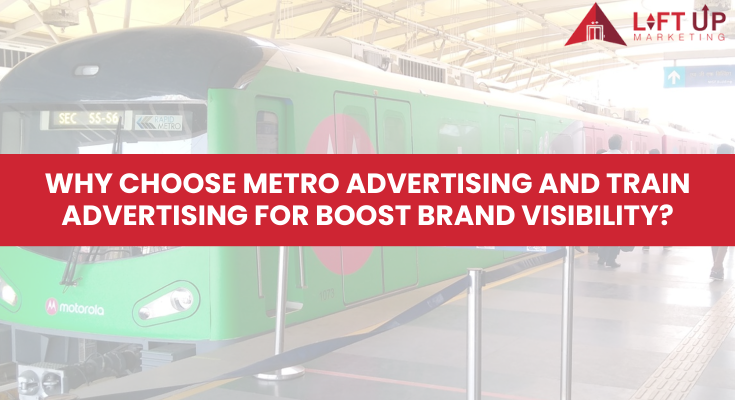
Train wrapping covers – the entire exterior of train coaches with brand graphics. Imagine a moving billboard that travels across the city carrying your message. These wrapped trains become talking points. People photograph them and share on social media, giving free additional publicity. Popular brands like Amazon, Flipkart, and mobile companies frequently use train wrapping during festival seasons.
Platform media – includes wall panels, pillar wraps, floor stickers, and hanging boards on station platforms. These are more affordable than full station branding but still deliver excellent visibility. Brands can choose high-traffic stations matching their target demographics. A premium watch brand might pick stations near business districts. A college coaching center might choose stations near educational hubs.
Inside coach advertising – offers the most intimate brand interaction. Overhead panels run the entire length of the compartment. Door panels catch attention every time someone enters or exits. Grab handles feature brand stickers that people touch and hold during crowded journeys. Even floor stickers work because standing passengers stare at the floor during rush hours.
Digital screens at platforms – and inside newer metro coaches allow rotating advertisements. Multiple brands share the same screen space with content changing every 10 to 15 seconds. Video content works brilliantly here because movement catches wandering eyes. These screens can show different content based on time—breakfast products during morning hours, evening entertainment options after work hours.
Who Benefits Most From This Advertising
Educational institutions: get tremendous results from metro and train advertising. Students and parents commuting daily see coaching center ads, university promotions, and skill development courses advertised. The repetitive exposure builds trust. By the time admission season arrives, these brands have already established themselves in potential students’ minds.
Real estate developers: target working professionals through strategic metro advertising placements. Someone commuting from Gurgaon sees ads for new residential projects along their route. The location relevance matters, advertise where your potential buyers actually travel. Best advertising agencies in Gurgaon understand this geographic targeting perfectly.
E-commerce platforms: and delivery services dominate metro advertising during festive seasons. They know office goers use their phones to shop online during commutes. Seeing an ad for Diwali sales while scrolling through their phone creates immediate action. The combination of seeing the ad and having the device to act on it right there produces excellent conversion rates.
FMCG brands: maintain a constant presence in trains and metros. Daily commuters represent daily consumers. Brands selling beverages, snacks, personal care products, and household items benefit from this repeated exposure. The goal isn’t immediate sales but long-term brand preference. When someone walks into a store, they choose the brand they’ve seen 100 times on their commute.
Banking and financial services: use metro advertising to build credibility. Seeing a bank advertised in premium metro stations creates a perception of stability and trustworthiness. Insurance companies, mutual funds, and credit card providers target the salaried class through strategic platform placements.
How to Execute Effective Metro and Train Advertising
Start by identifying routes matching your target audience. Different metro lines and train routes serve different demographics. The Gurgaon to Delhi route carries corporate professionals. The airport metro line sees travelers and higher-income groups. Local trains in Mumbai have different audience profiles based on the specific routes.
Design matters enormously in transit advertising. Keep messaging extremely simple. Use a maximum of five to seven words. Headlines must be readable from 10 feet away, even in crowded conditions. Bright, contrasting colors catch attention in the often dull metro environment. Include website or phone number prominently so interested people can act immediately.
Working with experienced agencies makes execution smoother. Liftup Marketing specializes in transit advertising and understands the approval processes, design requirements, and installation logistics. Metro authorities have strict guidelines about what can and cannot be advertised. Agencies navigate these regulations efficiently while brands can focus on their core business.
Last Words
Metro advertising and train advertising deliver unmatched visibility to captive audiences at competitive costs. The repetitive exposure builds brand recall better than most other advertising formats. For brands targeting working professionals, students, or regular commuters, this medium produces excellent results.
Start with a pilot campaign at select high-traffic stations. Test different creative approaches and messaging. Measure results carefully. Scale up what works. Partner with experienced best advertising agencies in Gurgaon, like Liftup Marketing, who understand the medium thoroughly and can guide campaign strategy.
Also Check – Leading Outdoor Advertising Agency in Delhi