
You’ve seen them everywhere — massive boards on highways, glowing LED screens at metro intersections, and larger-than-life posters on busy city roads. Billboard advertising in India is not just alive in 2026 — it’s thriving. As a proven outdoor advertising medium, billboards deliver one thing digital ads cannot: real-world, unavoidable visibility. This comprehensive guide explains what billboard advertising is, how it works across India’s cities, what it costs, and how to plan a successful campaign.
What Is Billboard Advertising in India?
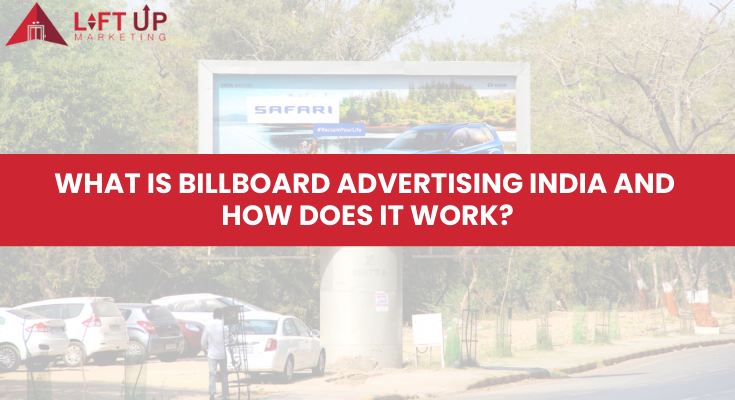
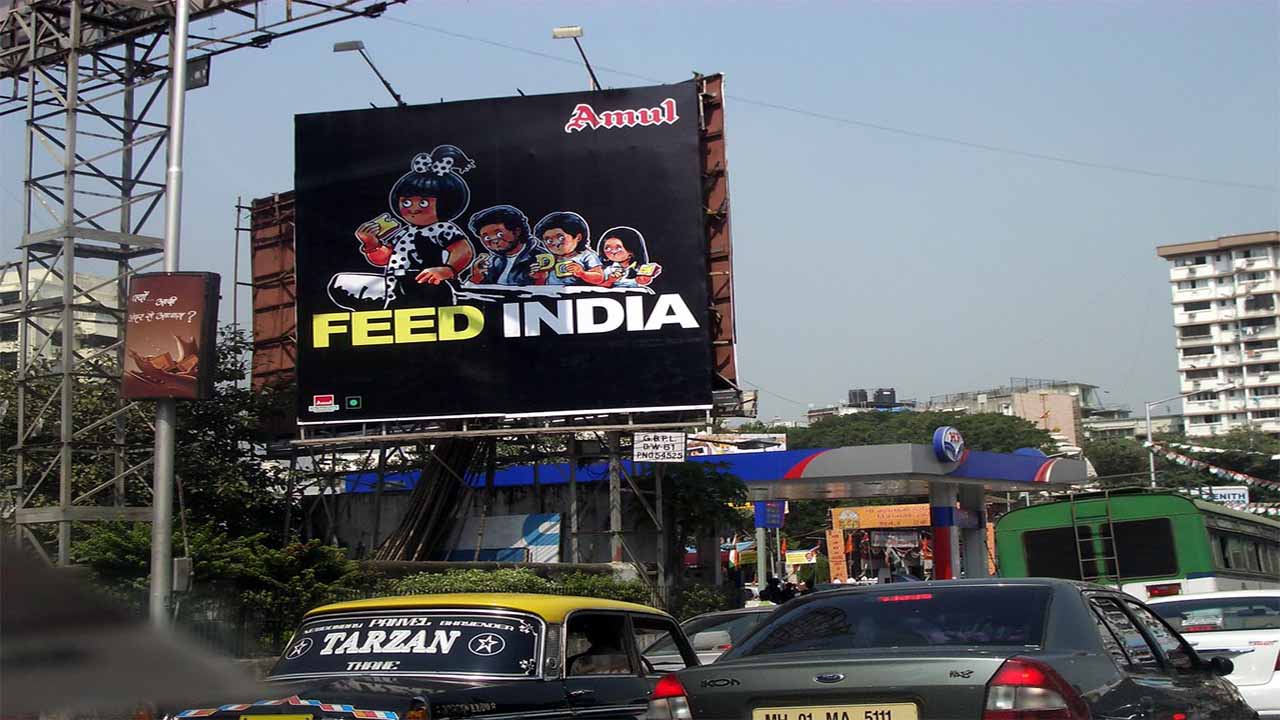
Billboard advertising (also called hoarding advertising or OOH — Out-of-Home advertising) is the practice of placing large-format visual ads on physical structures in high-traffic public locations. These include highways, expressways, city roads, flyovers, railway stations, airports, and commercial areas.
Unlike digital ads that people skip or block, billboards are embedded in the physical environment. Commuters, pedestrians, and travellers see them repeatedly, creating powerful brand recall over time.
WhatsApp Now : 972-932-1918
Why Billboard Advertising Works Especially Well in India
India’s unique urban landscape makes billboard advertising particularly powerful:
- Massive commuter population: India’s metro cities have 5–15 million daily commuters who spend 1–2 hours in traffic
- Low digital ad trust: Studies show 68% of Indian consumers trust OOH advertising more than online ads
- Growing middle class in Tier-2 cities: Smaller cities now have prime billboard locations with high visibility
- Cultural impact: Festivals, elections, and regional events make billboard advertising a cultural touchpoint
- Cannot be skipped or blocked: Zero ad-block impact — every passerby sees the message
Types of Billboard Advertising Available in India (2026)
1. Static/Traditional Billboards (Hoardings)
The most common type across India. Large printed vinyl or painted boards fixed on steel or concrete structures. Sizes range from 10×10 ft to massive 40×80 ft installations on highways. These are ideal for long-term brand-building campaigns (1–3 months or more). Cost-effective for sustained visibility. Best for: Real estate, FMCG, education, automobiles.
2. Digital LED Billboards (DOOH — Digital Out-of-Home)
LED screens that cycle through multiple ads in real-time. Multiple advertisers share the screen time (typically 10–15 seconds per slot per rotation). Dynamic content can be changed instantly — run day-specific, event-specific, or even weather-triggered ads. Higher attention capture vs static boards (proven 2.5x higher recall rate). Best for: Brand campaigns, product launches, festive promotions, FMCG.
3. Unipole Billboards
Single-pole high-rise structures visible from long distances — commonly found on national highways and expressways. Premium visibility, lower clutter. Often used by automobile and FMCG brands for highway reach.
4. Gantry / Over-Road Banners
Bridge-like structures that span across roads. Drivers look directly at them. Extremely high visibility during traffic congestion. Popular in metro cities for election campaigns, product launches, and event promotions.
5. Transit Advertising
Ads on buses, metro trains, auto-rickshaws, and taxis. The brand message moves through the city — reaching different neighbourhoods throughout the day. Delhi Metro, Mumbai Local, and Namma Metro in Bangalore are premium options.
6. Mall & Airport Billboards
Premium locations targeting high-spending urban audiences. Mall atriums, airport departure halls, and food courts offer close-proximity brand interaction. Best for luxury brands, tech products, and premium lifestyle brands.
WhatsApp Now : 972-932-1918
How Billboard Advertising Works in India: Step-by-Step
Step 1: Define Campaign Objective
Are you building brand awareness? Promoting a seasonal sale? Announcing a new product? Your objective determines the right location, format, and duration.
Step 2: Choose Location & Target Geography
Identify high-traffic corridors relevant to your audience. A real estate brand in Noida should target Noida Expressway and Delhi-Meerut Expressway. A retail brand in Mumbai would look at Western Express Highway and Andheri-Kurla Road.
Step 3: Select Billboard Type & Size
Based on budget and objective, select static vs digital, and appropriate dimensions. Standard billboard sizes in India: 20×10 ft, 30×15 ft, 40×20 ft, and 40×40 ft.
Step 4: Get Rate Card & Finalize Booking
Work with an OOH agency like Liftup Marketing to get verified rate cards, availability confirmations, and secure bookings with proper agreements.
Step 5: Creative Design & Printing/Upload
For static billboards: artwork printed on flex/vinyl and installed. For digital billboards: digital creative (MP4/JPG) uploaded remotely. Creative must follow bleed specifications (usually 15 cm extra on all sides for static).
Step 6: Campaign Live & Monitoring
Photos and GPS coordinates provided as proof. Ongoing monitoring ensures the ad remains in good condition throughout the campaign duration.
Billboard Advertising Cost in India — 2026 Estimates
Metro Cities (Delhi, Mumbai, Bangalore, Chennai, Kolkata, Hyderabad):
- Prime highway location (per month): ₹1,50,000 to ₹8,00,000
- Digital LED billboard (per slot/month): ₹80,000 to ₹4,00,000
- Gantry/overhead: ₹2,00,000 to ₹10,00,000 per month
Tier-2 Cities (Jaipur, Lucknow, Ahmedabad, Chandigarh, Indore):
- Static billboard (prime location, per month): ₹30,000 to ₹2,00,000
- Digital billboard: ₹20,000 to ₹1,50,000 per month
Tier-3 Towns:
- Static billboard: ₹5,000 to ₹50,000 per month
WhatsApp Now : 972-932-1918
Billboard Advertising vs Digital Advertising — Which Is Better in 2026?
The answer: Both together. Brands that combine billboard OOH with digital retargeting see 80% higher brand recall than using either alone. A consumer sees your billboard on the highway, then sees your Facebook/Google ad on their phone — the combined effect is exponentially stronger.
Billboard advertising excels at: Mass reach, unskippable exposure, local credibility, long-duration visibility. Digital advertising excels at: Precise targeting, real-time optimization, measurable conversions. Use both strategically with Liftup Marketing.
FAQ: Billboard Advertising India
Q: How long should a billboard campaign run in India?
A: Minimum 15 days for brand recall. For product launches, 30–90 days is optimal. Long-term campaigns (6–12 months) are best for real estate and education brands.
Q: Do I need government permission for billboard advertising?
A: All licensed billboard structures already have municipal/NHAI permissions. Your agency handles all compliance. You just need to provide the creative.
Q: What resolution should my billboard creative be?
A: Static billboards need 720 DPI artwork at actual size. Digital billboards require resolution specific to the screen (typically 1920×1080 or 3840×2160). Liftup Marketing’s design team handles all specifications.
Q: Can I advertise on billboards for less than ₹1 lakh?
A: Yes. Tier-2 and Tier-3 city locations start from ₹5,000 per month. Even in Noida and Gurgaon, select off-prime locations are available under ₹1 lakh per month.
Why Liftup Marketing for Billboard Advertising in India?
- 3,000+ billboard locations pan-India across 100+ cities
- Static + digital (DOOH) inventory under one roof
- Complete creative support — design, printing, installation
- Photo verification and campaign reports
- Transparent pricing — no hidden costs
WhatsApp Now : 972-932-1918
Also Check – What Is Auto Hood Branding?